Why Choose Biology at Bushnell?
Small lab classes, faculty mentorship, and hands-on scientific research grounded in faith-informed learning. Bushnell’s Biology program prepares students for careers in healthcare, environmental science, biotechnology, laboratory research, and graduate study through coursework that combines scientific theory, laboratory application, and real-world research experience.
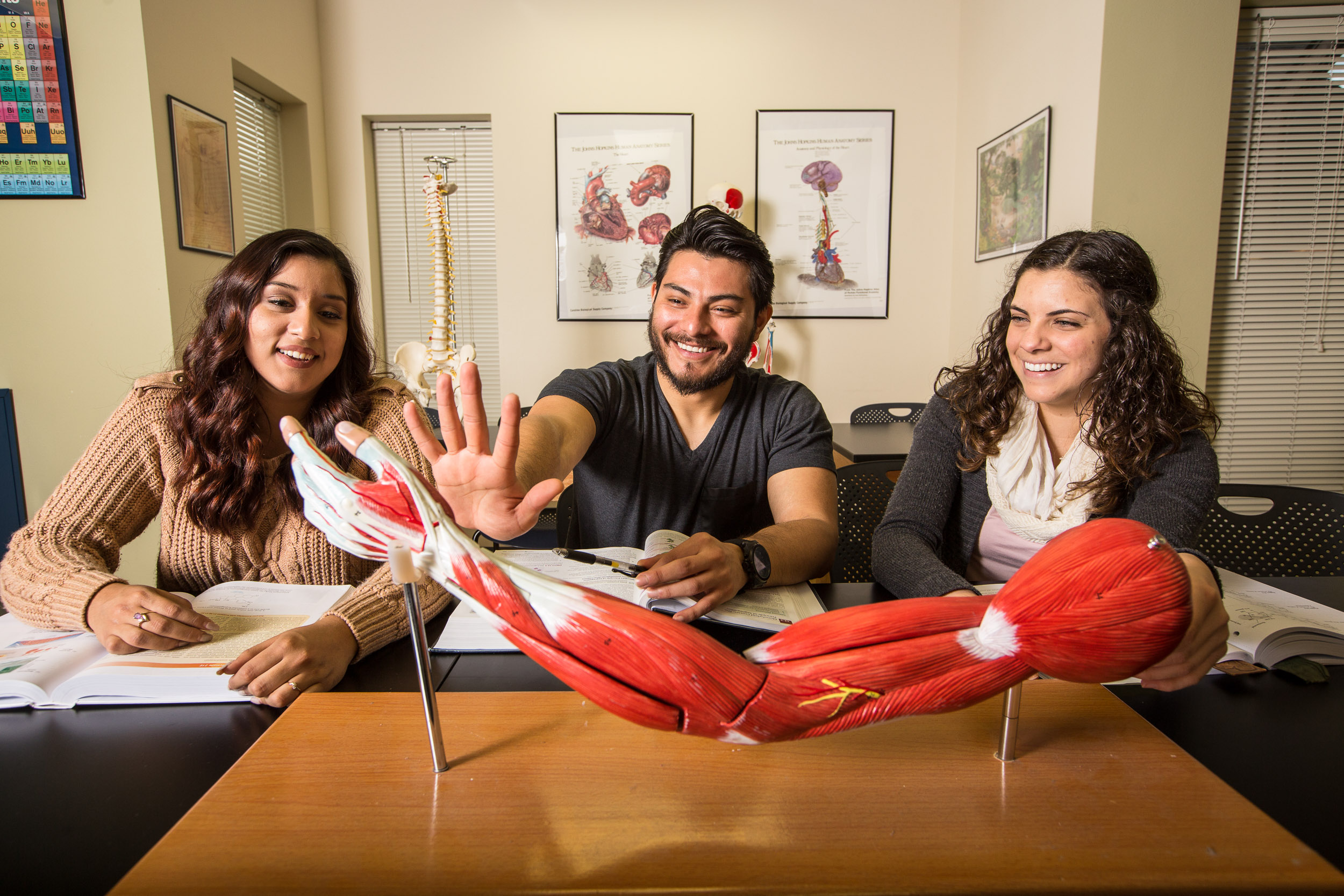
Faculty with expertise in biological sciences and healthcare preparation provide personalized mentorship and practical guidance throughout the program. Students gain hands-on experience through laboratory coursework, scientific literature analysis, internships, and collaborative research projects while strengthening analytical thinking, problem-solving, and scientific communication skills.
Bushnell’s flexible pathways in Pre-Health Sciences, General Biology, and Molecular, Cell, & Developmental Biology allow students to align their degree with professional goals while preparing for medical and professional schools, scientific research, environmental work, and advanced graduate study.
3
Specialized biology pathways aligned with healthcare, research, and graduate study goals
100%
of Biology majors complete hands-on research or internship experience before graduation

Internship and Research Experience
Biology students gain hands-on experience through laboratory research, scientific analysis, internships, and faculty-supported research projects that connect classroom learning to real-world scientific application. You’ll work with laboratory techniques, scientific literature, data collection, microscopy, field research, and experimental design while strengthening analytical thinking and problem-solving skills across biological sciences and healthcare-related fields.
Many students pursue internships in healthcare, clinical, veterinary, laboratory, environmental, or research settings while others participate in collaborative faculty research experiences designed to strengthen graduate and professional school preparation. Through research projects, internships, and capstone experiences, students develop practical laboratory skills, scientific communication abilities, and professional confidence while exploring career paths in medicine, biotechnology, environmental science, microbiology, ecology, and advanced scientific research.
Recent internship and research experiences have included healthcare settings, university laboratories, veterinary clinics, environmental research opportunities, and scientific research collaborations.
What You’ll Study
How the Curriculum is Structured
Bushnell’s Biology curriculum combines foundational science coursework with advanced biological study, hands-on labs, and research experience designed to prepare you for healthcare, research, graduate school, and scientific careers.
You’ll study genetics, ecology, microbiology, anatomy and physiology, molecular biology, chemistry, and cellular biology while strengthening scientific reasoning, laboratory, and analytical skills. As you progress through the program, you can customize your coursework through pathways in Pre-Health Sciences, General Biology, or Molecular, Cell, & Developmental Biology.
Experiential learning is integrated throughout the program through laboratory work, scientific literature analysis, internships, research projects, and senior capstone experiences that help you connect scientific theory with real-world application.
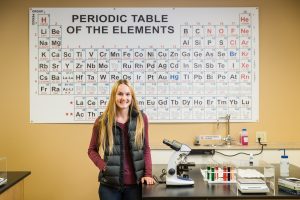
Pathways
Pre-Health Sciences Pathway
Designed for students pursuing healthcare careers, this pathway emphasizes anatomy and physiology, microbiology, biochemistry, and advanced laboratory sciences. You’ll build strong preparation for professional programs, including medical, dental, physician assistant, physical therapy, occupational therapy, and other healthcare-related graduate programs.
General Biology Pathway
The General Biology pathway provides broad exposure to major biological disciplines including ecology, physiology, molecular biology, and environmental science. This flexible pathway is ideal for students exploring careers in research, environmental science, graduate study, and related scientific fields.
Molecular, Cell, & Developmental Biology Pathway
Focused on genetics, molecular biology, cellular systems, and biochemistry, this pathway prepares students for laboratory research and advanced scientific study. You’ll strengthen research and analytical skills while building preparation for M.S. and Ph.D. programs in biology and related scientific disciplines.
Graduate Career Ready
What Can You Do with a Degree in Biology?
Students who graduate from the biology program at Bushnell go on to pursue careers in:
- Healthcare, medicine, and allied health professions
- Biomedical, microbiology, and laboratory research
- Biotechnology and life sciences industries
- Public health and community health organizations
- Environmental and natural science fields
- Graduate and professional programs in medicine, health sciences, and biological sciences
Skills You’ll Gain
Through Bushnell’s Biology program, you’ll develop practical, science-focused skills, including:
- Conduct laboratory experiments and scientific research
- Collect, analyze, and communicate biological data
- Apply scientific reasoning and problem-solving skills
- Strengthen laboratory, microscopy, and research techniques
- Understand genetics, ecology, microbiology, and molecular biology concepts
- Build a strong foundation for healthcare, research, and graduate study
Where Our Graduates Work & Study
Bushnell Biology graduates are advancing careers and continuing their education in healthcare, research, and the life sciences.
Recent Employment
- University of Utah Hospital
- Research Assistant, University of Oregon
Graduate & Professional Programs
- PhD Program in Microbiology, Arizona State University
- Master’s Program in Biomedical Science & Biotechnology, University of Colorado Denver
- St. George’s University School of Medicine
- Western University of Health Sciences College of Osteopathic Medicine
Whether pursuing careers in healthcare, scientific research, biotechnology, or advanced professional study, Bushnell Biology graduates are prepared to make meaningful contributions in science and human health.
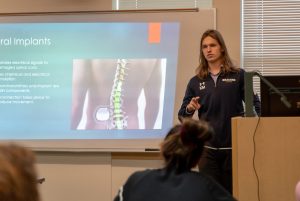
I particularly liked the small class sizes and the professors’ willingness to regularly engage with the class over science or life. I can also attest to the professors’ intentional efforts to form relationships and help mentor and guide students towards their vocation and calling.”

Frequently Asked Questions?
A Biology degree from Bushnell University prepares you for careers in healthcare, laboratory science, biotechnology, environmental research, education, and scientific research. Many graduates also continue into medical, dental, physician assistant, veterinary, physical therapy, occupational therapy, and graduate programs.
Yes. Biology students complete hands-on laboratory coursework, scientific research, internships, and faculty-supported research projects throughout the program. These experiences help students strengthen laboratory, analytical, and problem-solving skills while preparing for graduate school and scientific careers.
Yes. The Pre-Health Sciences pathway is designed for students pursuing healthcare careers and professional programs such as medical school, dental school, physician assistant programs, physical therapy, occupational therapy, and related healthcare fields. Students build strong foundations in anatomy, physiology, microbiology, biochemistry, and laboratory sciences.
Bushnell’s Biology program encourages students to explore scientific discovery through rigorous academics, ethical reflection, and faith-informed learning. Through faculty mentorship and courses such as Integration of Faith and Science, students examine how scientific inquiry, ethics, and vocation connect within the biological sciences.
Contact Us
Have questions about Bushnell’s Biology program? An admissions counselor can walk you through requirements, discuss transfer credits, and help you figure out your next step.
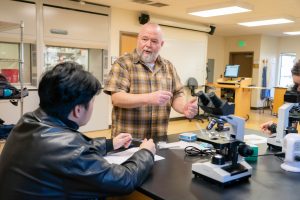
Our faculty and staff are 100% committed to your learning and invested in your success.
Come learn with us!
Related News
Next Steps
Interested in becoming a part of the Beacon community? We’re here to answer questions and help you see if Bushnell is right for you.