Why Choose Nursing at Bushnell?
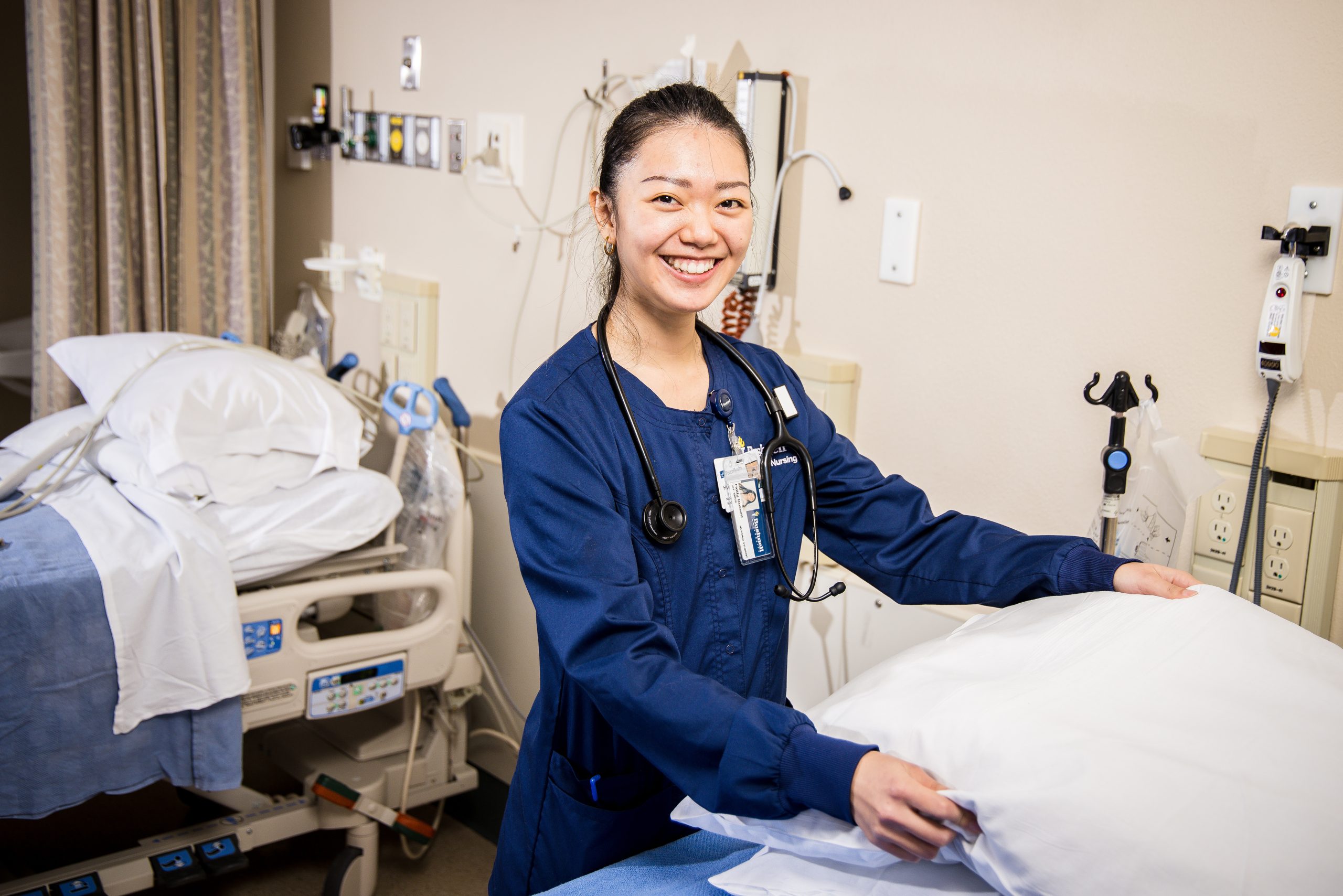
A clear pathway into Bushnell’s Accelerated BSN program, personalized faculty mentorship, and exceptional nursing outcomes help prepare you for a meaningful career in healthcare. From your first semester, you’ll work closely with advisors and faculty who help you complete prerequisite coursework, prepare for ABSN admission, and stay on track toward RN licensure.
Once admitted to the ABSN program, you’ll benefit from small class sizes, individualized support, and hands-on learning experiences designed to build confidence and clinical competence. Through diverse clinical placements, high-fidelity simulation experiences, and a curriculum focused on compassionate, person-centered care, you’ll develop the knowledge, leadership skills, and professional preparation needed to make an immediate impact in healthcare settings. Graduates consistently achieve exceptional NCLEX pass rates and enter the workforce prepared to serve patients and communities with skill, integrity, and compassion.
#2
Ranked #2 Best Nursing School in Oregon
According to Nursing Degree Search
100%
NCLEX-RN first-time pass rate
(as of Feb. 2026)
100%
Job placement rate upon graduation
Clinical Practice
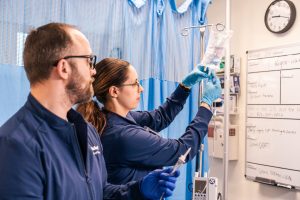
Students in Bushnell’s Accelerated BSN program gain hands-on experience through clinical rotations in a wide variety of healthcare environments, including acute care hospitals, specialty hospitals, community health settings, outpatient clinics, behavioral health facilities, schools, correctional facilities, and veteran healthcare settings.
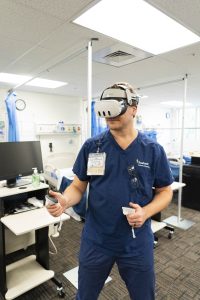
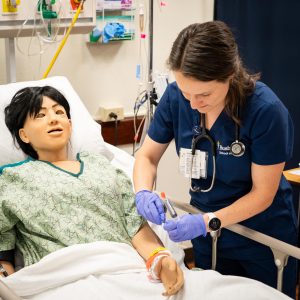
Clinical experiences are complemented by learning in state-of-the-art simulation and skills labs, where you’ll participate in high-fidelity and virtual reality scenarios that strengthen clinical judgment, communication, and decision-making skills. During the program, you’ll also complete a 192-hour one-on-one clinical immersion with an experienced nurse preceptor, helping bridge the transition from nursing student to professional nurse.
What You’ll Study
How the Curriculum is Structured
The Nursing Pathway curriculum builds the scientific knowledge, communication skills, and clinical foundation needed for success in Bushnell’s Accelerated BSN program and future nursing practice. You’ll complete coursework in anatomy and physiology, microbiology, chemistry, human development, psychology, nutrition, and other prerequisite areas while strengthening critical thinking and problem-solving skills.
You’ll also explore the role nurses play in improving the health of individuals, families, and communities. Through community health experiences, you’ll examine factors that influence wellness, access to care, and health outcomes while preparing for clinical training, RN licensure, and a career in compassionate, evidence-based healthcare.
Graduate Career Ready
What Can You Do with a Degree in Nursing?
Students who complete Bushnell’s Nursing Pathway and Accelerated BSN program pursue careers such as:
- Critical Care (ICU) Nurse
- Emergency Department (ED) Nurse
- Labor and Delivery Nurse
- Medical-Surgical Nurse
- Community and Public Health Nurse
- School Nurse or Specialty Care Nurse
Skills You’ll Gain
Through Bushnell’s Nursing Pathway and Accelerated BSN program, you’ll develop practical and career-ready skills, including:
- Deliver compassionate, patient-centered care across the lifespan
- Apply clinical judgment and evidence-based decision-making
- Communicate effectively with patients, families, and healthcare teams
- Utilize healthcare technology and clinical information systems
- Lead collaboratively within complex healthcare environments
- Promote quality, safety, and positive patient outcomes
Where Our Graduates Go
Bushnell nursing graduates serve in a wide variety of healthcare settings throughout Oregon and beyond. Alumni provide patient care in hospitals, clinics, community health organizations, schools, behavioral health settings, and specialty care environments.
Graduates pursue careers in:
- Critical Care (ICU) Nursing
- Emergency Department Nursing
- Labor and Delivery Nursing
- Medical-Surgical Nursing
- Behavioral Health Nursing
- Community and Public Health Nursing
- Veterans Healthcare
- School Nursing
Many graduates secure employment immediately after graduation and continue their professional growth through specialty certifications and advanced nursing degrees.
Already Have a Bachelor’s Degree?
Already have your bachelor’s degree? Bushnell’s Accelerated BSN (ABSN) program offers a fast, focused path to becoming a registered nurse. In just 12 months, you can gain the skills and clinical experience needed to transition into a rewarding nursing career.
Accreditation
Bushnell University is regionally accredited by both the Northwest Commission on Colleges and Universities (NWCCU). The ABSN program is affiliated with Bushnell University’s baccalaureate degree program in nursing, which is accredited by the Commission on Collegiate Nursing Education (CCNE).
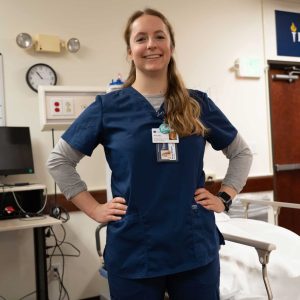
I want upward mobility in my nursing career, I am good with the academic rigor, and I wanted to maximize my time. I appreciated the connection with faculty and their availability.”
Frequently Asked Questions?
The Nursing Pathway helps you complete the prerequisite coursework required for admission into Bushnell’s Accelerated Bachelor of Science in Nursing (ABSN) program. You’ll work closely with academic advisors to complete general education and science requirements while preparing for ABSN admission, clinical training, RN licensure, and a career in nursing.
Bushnell combines personalized faculty mentorship, small class sizes, exceptional nursing outcomes, and a Christ-centered approach to healthcare education. Once admitted to the ABSN program, you’ll benefit from high-fidelity and virtual reality simulation experiences, diverse clinical placements, a 192-hour clinical immersion with an experienced nurse preceptor, and a proven NCLEX preparation program. These experiences help prepare you to provide compassionate, ethical, and evidence-based care.
Students in Bushnell’s Accelerated BSN program complete clinical experiences in a variety of healthcare settings, including hospitals, clinics, community health organizations, behavioral health facilities, schools, and specialty care environments. In addition to direct patient care experiences, you’ll participate in high-fidelity and virtual reality simulations and complete a 192-hour one-on-one clinical immersion with an experienced nurse preceptor before graduation.
Bushnell nursing graduates consistently achieve exceptional outcomes. As of February 2026, graduates achieved a 100% first-time NCLEX-RN pass rate and a 100% job placement rate upon graduation. Graduates enter a variety of nursing specialties and healthcare settings while serving patients and communities throughout Oregon and beyond.
Nursing offers strong career opportunities and earning potential. According to the U.S. Bureau of Labor Statistics, registered nurses in Oregon earn a mean annual wage of approximately $113,440, with nurses in the Eugene area earning approximately $106,600. Actual salaries vary based on specialty, experience, and healthcare setting.
Contact Us

Have questions about Bushnell’s nursing program? Your admissions counselor can walk you through requirements, discuss transfer credits, and help you figure out your next step.
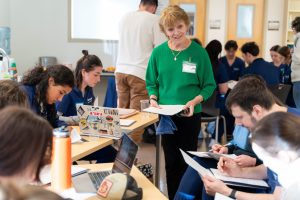
Our faculty and staff are 100% committed to your learning and invested in your success.
Come learn with us!
Our Facilities
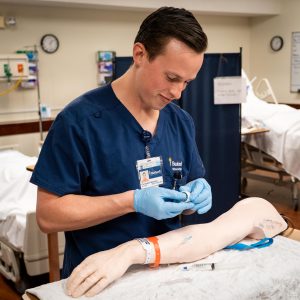
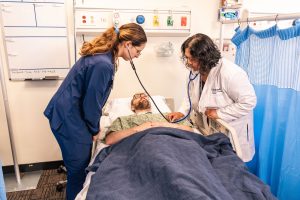
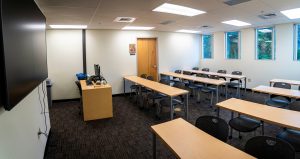
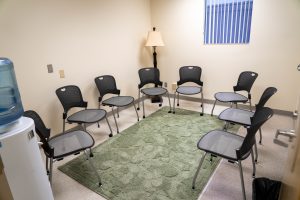
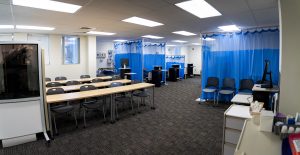
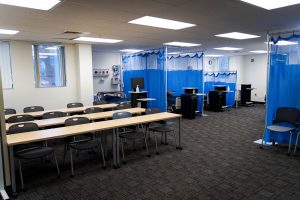
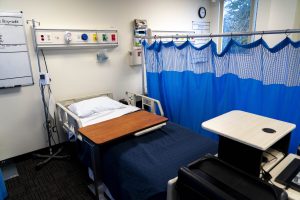
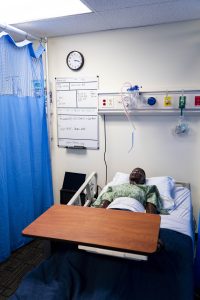
Bushnell’s nursing facilities provide hands-on learning environments where you’ll develop the clinical skills, confidence, and professional judgment needed for nursing practice. Through simulation experiences, skills labs, and faculty-guided instruction, you’ll practice patient care techniques and clinical decision-making before entering healthcare settings.
Designed to support experiential learning, these spaces help prepare students for clinical rotations, RN licensure, and careers as compassionate, highly skilled nursing professionals.


Related News

Bushnell University Receives $250,000 Grant to Expand Rural Healthcare Access
EUGENE, Ore. – Bushnell University is committed to improving the health and wellness of the Lane County region. To help fulfill that commitment, Bushnell has been awarded a $250,000 grant…
Read More
Faculty Features: Katy Lemieux, MSN, RN
When Katy Lemieux reflects on how she arrived in the classroom, she often returns to an unexpected phone call. While working as a nursing supervisor, her charge nurse abruptly asked whether she had a…
Read More
The Streak Continues: 100% NCLEX Pass Rate
EUGENE, Ore. – The streak continues at Bushnell University. The School of Nursing proudly announces that every student in its sixth Accelerated Bachelor of Science in Nursing cohort has successfully…
Read More
Next Steps
Interested in becoming a part of the Beacon community? We’re here to answer questions and help you see if Bushnell is right for you.