
Why Choose Communication at Bushnell?
Communication is one of the most valuable and versatile skills you can develop, no matter where your career takes you. At Bushnell, you’ll learn more than how to deliver a message. You’ll learn how to build meaningful relationships, navigate conflict, influence others ethically, and communicate with clarity in professional, personal, and public settings.
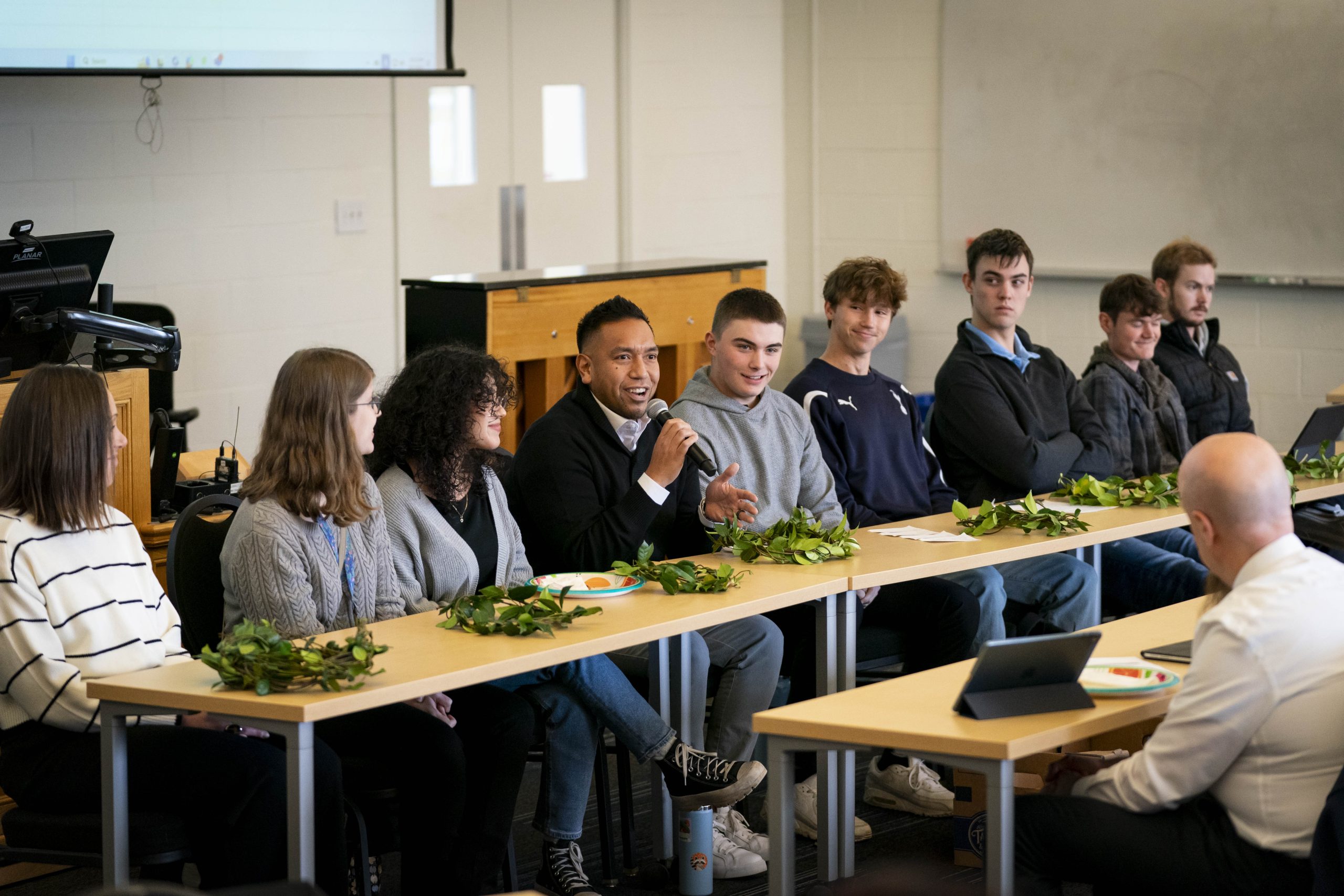
Small, highly interactive classes emphasize skill development over memorization and active learning over passive lectures. Through case studies, workshops, presentations, collaborative discussions, and internships, you’ll regularly apply communication concepts to real-world situations.
Faculty invest personally in your growth while helping you strengthen the speaking, writing, listening, and leadership skills that employers consistently value. Whether you’re preparing for business, law, ministry, nonprofit leadership, marketing, public relations, or graduate study, you’ll graduate with practical skills that remain valuable across industries and throughout your career.
$86K
Median salary for business and communication graduates, according to Georgetown University’s Center on Education and the Workforce
3
Concentration pathways: Relational Communication, Public Relations, Flexible Communication
#3
Oral communication ranked among the top skills employers value in new college graduates (AAC&U)
Internship Experience
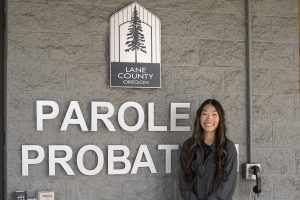
You’ll gain hands-on experience through a required internship that connects classroom learning to professional practice. Recent students have completed internships with organizations such as Food for Lane County, Fellowship of Christian Athletes, Eugene Area Chamber of Commerce, Refugee Resettlement Coalition of Lane County, Harvest House Publishers, Yujin Gakuen Japanese Immersion School, and a variety of businesses, ministries, and nonprofit organizations.
These experiences help you apply communication theory in real-world settings while building professional skills, expanding your network, strengthening your resume, and preparing for employment or graduate study.

What You’ll Study
How the Curriculum is Structured
The Communication curriculum combines communication theory, public speaking, interpersonal communication, research, and applied communication practice. You’ll study how people create meaning, build relationships, navigate conflict, influence audiences, and communicate effectively across personal, professional, and public settings.
Students choose from three concentration pathways: Relational Communication, Public Relations, or Flexible Communication. Coursework may include public speaking, communication and conflict, intercultural communication, persuasion, public relations, strategic communication, media writing, and leadership-focused electives.
Through case studies, presentations, internships, and a senior capstone experience, you’ll connect theory to real-world communication challenges while preparing for a wide range of careers and graduate programs.

Concentrations & Pathways
Relational Communication
Develop the skills to build meaningful relationships, navigate conflict, and communicate effectively in personal and professional settings. Through coursework in interpersonal communication, listening, persuasion, nonverbal communication, and conflict management, you’ll learn how communication shapes healthy relationships, organizations, and communities.
Public Relations
Learn how organizations build trust, tell compelling stories, and communicate strategically with diverse audiences. Coursework explores public relations, media writing, crisis communication, campaign planning, research, and strategic messaging while preparing you for careers in marketing, public relations, nonprofit communication, and organizational leadership.
Flexible Communication
Create a customized communication pathway aligned with your unique interests and career goals. Working closely with faculty advisors, you’ll combine coursework from across communication disciplines to develop expertise in areas such as leadership, public speaking, public relations, interpersonal communication, media, conflict resolution, or other approved fields.
Pre-Law Pathway
Communication is one of the strongest foundations for legal education because of its emphasis on argumentation, critical thinking, public speaking, persuasion, and conflict management. Through Bushnell’s Pre-Law Pathway, you’ll work with faculty advisors to build the skills and academic preparation needed for law school and careers in law, public policy, advocacy, and related professions.
Graduate Career Ready
What Can You Do with a Degree in Communication?
Students who graduate from the Communication program at Bushnell pursue careers such as:
- Public Relations Specialist or Communications Coordinator
- Marketing, Branding, or Social Media Professional
- Human Resources or Organizational Development Specialist
- Sales, Client Relations, or Business Development Representative
- Nonprofit, Ministry, or Community Outreach Leader
- Law, Graduate Study, or Leadership Development Pathways
Skills You’ll Gain
Through Bushnell’s Communication program, you’ll develop practical and career-ready skills, including:
- Communicate clearly and persuasively with diverse audiences
- Build and strengthen professional and personal relationships
- Navigate conflict and facilitate productive conversations
- Create strategic messages across multiple communication channels
- Apply critical thinking and audience analysis to communication challenges
- Lead with confidence, professionalism, and ethical communication practices
Where Our Graduates Work
Bushnell Communication graduates use their skills to lead, serve, and communicate effectively across a wide range of professions. Alumni have built careers in law, business, healthcare, nonprofit leadership, ministry, government, education, counseling, and communications.
Recent graduates have worked for organizations such as:
- The Bible Project
- Oregon Department of Human Services
- PacificSource Health Plans
- Lane County District Attorney’s Office
- Fellowship of Christian Athletes
- Tri-Cities Airport
- United States Air Force
- Pacific Residential Mortgage
- Roseburg Forest Products
- Bushnell University
Graduate Programs
Many graduates also continue their education through master’s and doctoral programs in communication, counseling, law, conflict resolution, business, social work, education, and related fields. Recent graduate school destinations include:
- University of Oregon
- Duquesne University
- Wichita State University
- Central Michigan University
- Bushnell University
Whether leading teams, managing projects, building relationships, resolving conflict, or communicating complex ideas, Bushnell Communication graduates apply their skills in meaningful ways across industries and throughout their careers.


Frequently Asked Questions?
A Communication degree prepares you for careers in public relations, marketing, business, nonprofit leadership, ministry, human resources, government, sales, media, and community engagement. Because communication skills are valuable across industries, graduates often pursue a variety of professional pathways that require strong speaking, writing, listening, leadership, and relationship-building abilities.
Yes. Communication students complete a required internship that provides hands-on experience in professional settings. Recent internship opportunities have included businesses, nonprofit organizations, ministries, schools, community agencies, and public service organizations. These experiences help you apply communication theory in real-world environments while building professional skills, expanding your network, and strengthening your resume before graduation.
Communication majors choose from three concentration pathways: Relational Communication, Public Relations, or Flexible Communication. Each pathway allows you to tailor your coursework to your interests and career goals while developing strong skills in communication, leadership, audience engagement, conflict management, and strategic messaging.
Absolutely. Communication is excellent preparation for graduate education because it develops critical thinking, public speaking, research, persuasion, writing, and analytical skills. Bushnell graduates have continued their education in communication, law, counseling, conflict resolution, social work, business, education, and related fields at universities across the country.
Contact Us
Have questions about Bushnell’s Communication program? An admissions counselor can walk you through requirements, discuss transfer credits, and help you figure out your next step.
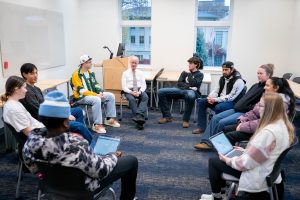
Our faculty and staff are 100% committed to your learning and invested in your success.
Come learn with us!
Related News

Telling Stories in Real Time
For communication major Amanda “Mandy” Sisul ’25, telling meaningful stories has always been at the heart of her work. After graduating from Bushnell University this past May with a concentration…
Read More
Answering the Call Through Storytelling
Preston Carmack ’13 is the Director of Marketing Communication for the Jesuit School of Theology at Santa Clara University. He leads the institution’s efforts in marketing, internal communications, and public…
Read More
Next Steps
Interested in becoming a part of the Beacon community? We’re here to answer questions and help you see if Bushnell is right for you.